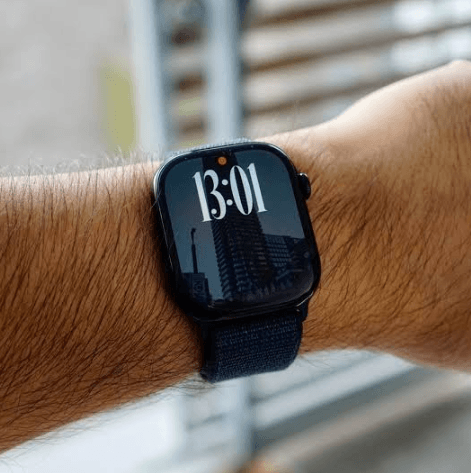
Smartwatches consolidate sensors, apps, and dashboards into a single health-focused interface, enabling consistent metrics and streamlined routines. They enable hands-free communication with context-aware replies and gesture actions, reducing phone dependence. Safety features like fall detection and biometric access add security, while on-the-go productivity via calendars and reminders keeps tasks organized. The result is greater autonomy and efficiency, yet the tradeoffs and optimal setups merit careful consideration before embracing the next wearable upgrade.
How Smartwatches Simplify Daily Health and Activity Tracking
Smartwatches streamline health and activity tracking by consolidating sensors, apps, and dashboards into a single, wearable interface. The approach delivers consistent health metrics, enabling autonomous insights. Battery optimization enhances sustained use, minimizing interruptions. Smartwatch apps centralize data, supporting streamlined fitness coaching and personalized routines. This setup favors freedom, accuracy, and efficient monitoring, reducing manual input while accelerating informed decisions about daily wellness and performance.
Stay Connected Hands-Free: Notifications, Replies, and Quick Actions
Notifications on smartwatches expand the device’s role from health and activity tracking to hands-free communication and quick-response workflows. The form factor enables instant alerts, gesture-driven replies, and rapid actions, reducing phone dependence. Designers emphasize notification etiquette to minimize distraction while preserving relevance. Quick reply efficiency hinges on contextual understanding, concise prompts, and consistent shortcuts across apps and ecosystems.
Safety, Security, and Peace of Mind on Your Wrist
In a world where immediate access to alerts matters, smartwatches offer layered safety features that extend beyond fitness tracking.
The vantage point analyzes incident response reliability, location sharing controls, and fall detection, emphasizing user autonomy.
Privacy safeguards and biometric authentication balance convenience with protection, reducing unauthorized access while preserving rapid access to critical information and peace of mind on a wearable interface.
Productivity on the Go: Calendars, Reminders, and Smart Shortcuts
Efficient on-the-go scheduling hinges on integrated calendars, reminders, and smart shortcuts that surfacing critical tasks without disrupting flow. The section analyzes how calendar shortcuts streamline event creation, while reminder automation reduces manual taps. It emphasizes autonomy: users gain rapid task syncing, tactile brevity, and predictable notifications, enabling focused work. In practice, this setup enhances productivity without encumbering freedom.
Frequently Asked Questions
Can a Smartwatch Detect Early Signs of Medical Conditions?
Smartwatches can assist in monitoring health metrics and detecting anomalies, but they cannot definitively diagnose conditions. They may flag early signs and prompt medical evaluation, yet reliability varies and data should be corroborated by professional clinical assessments.
Do Smartwatches Work Without a Smartphone Nearby?
Like a lone lighthouse, the answer is: yes, but with caveats. Some smartwatches operate offline briefly, yet offline syncing and battery optimization dictate limited functionality without a nearby smartphone. Device performance hinges on model and OS ecosystem.
How Accurate Are Smartwatch Health Sensors for Workouts?
Smartwatch health sensors vary; accuracy depends on calibration and sensor quality. They generally track heart rate and calories reasonably well during workouts, but heart rate variability readings require careful smartwatch calibration and interpretation, as results can be inconsistent.
Can I Customize Watch Faces for Accessibility Needs?
Yes, one can customize watch faces for accessibility needs. Custom watchfaces enable high-contrast text and larger elements, while accessibility tweaks adjust fonts and colors; wearable indicators aid notifications. Screen readability improves with optimized layouts and simplified icons.
What Are the Privacy Implications of Smartwatch Data Sharing?
Like a quiet lighthouse, the question glows: smartwatch data sharing raises privacy compliance concerns, demands data minimization, and weighs accessibility customization against ethics. It emphasizes data sharing ethics and calls for transparent governance in a freedom-seeking, tech-focused stance.
Conclusion
Smartwatches consolidate health metrics, notifications, and quick actions into a single, efficient interface. From activity tracking to hands-free replies, they streamline daily routines and reduce phone dependency. Safety features add reassurance, while on-the-go productivity stays swift with calendar and reminder integrations. In sum, these devices transform wrist-worn analytics into a near-telepathic assistant—so precise that your day unfolds with almost uncanny efficiency, as if time itself were tuned to your heartbeat.
