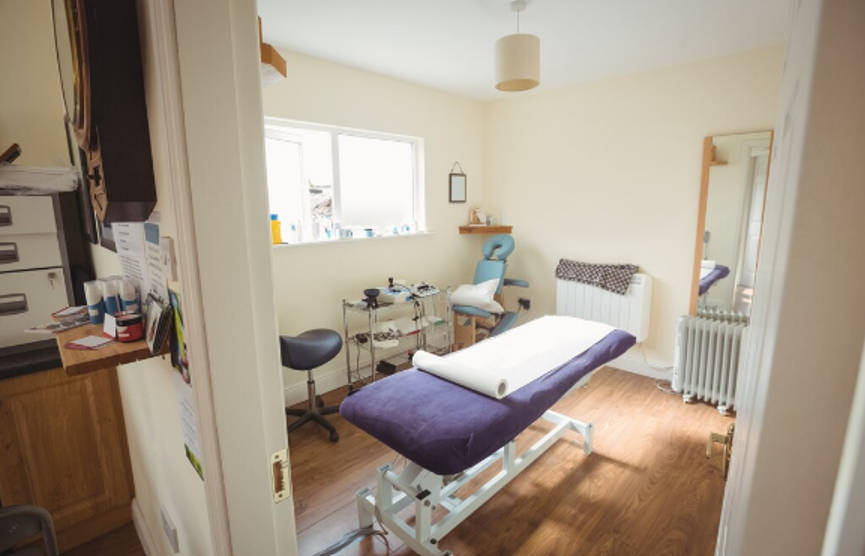
Ground-floor salons and medical clinics can ensure visual privacy without sacrificing regular sunlight with architectural window films. Retrofitting insulating window films enhances thermal efficiency, while a high-performance one-way window film ensures client confidentiality by creating welcoming interiors.
Key Takeaways
- One-way window privacy film can improve daytime privacy while allowing natural light into client-facing spaces.
- Insulating window film can help reduce heat transfer and improve indoor temperature stability.
- Solar-control films can reduce glare and unwanted solar heat gain, potentially lowering cooling and lighting demands.
- Window films can upgrade existing glazing without the disruption and cost of complete window replacement.
Maintaining patient confidentiality and client comfort often becomes a concern for ground-floor commercial premises. However, traditional blinds or frosted glass often block external daylight, and owners are forced to use artificial lighting.
- NIH-indexed research, “Increased daylight availability reduces length of hospitalisation in depressive patients,” found that greater daylight exposure may support mood and recovery, with one study of hospitalised patients with depression reporting a median hospital stay of 11 days in a higher-daylight setting compared with 14 days in a lower-daylight setting.
Retrofitting specialised window film technology, in this regard, balances privacy with ambient daylight. It provides a practical balance between privacy and natural light, helping obscure sensitive interiors while maintaining a more open, naturally illuminated environment.
But how can you use such window films? What can you expect from your investment? Let’s find the answers.
Balancing Light and Privacy in Commercial Spaces
For ground-floor commercial premises, insulating window film can help balance privacy, daylight, solar control, and indoor comfort without completely covering existing glazing.
- Standard privacy measures such as heavy curtains or opaque frosting can restrict daylight, while specialised window films can provide privacy and solar-control benefits while retaining useful natural light.
- Select your preferred window film based on required privacy level, visible light transmission (VLT), solar heat-gain control, glazing type, and orientation.
The table compares different window privacy solutions based on three practical factors: how much daylight they allow through, how effectively they provide privacy, and whether they also offer thermal or solar-control benefits.
| Privacy Solution | Daylight Transmission | Privacy Performance | Thermal / Solar Benefit |
| Heavy Fabric Blinds | Low when closed | High when closed | Limited; depends on material |
| Opaque/Frosted Window Film | Product-dependent | High privacy with diffused views | Primarily a privacy solution |
| One-Way Privacy Window Film | Product-dependent | Daytime privacy; lighting conditions matter | Can provide solar-control benefits |
| Insulating Window Film | Product-dependent | Depends on film specification | Can provide thermal or solar-control benefits |
Table: Comparing Commercial Window Privacy and Glazing Solutions
Essential Retrofit Technologies for Ground-Floor Premises
Ground-floor premises can use specialised window films and surface-applied retrofit solutions to improve privacy, thermal comfort, solar control, and hygiene without replacing existing windows.
1. One-Way Daytime Privacy Applications
In busy high-street locations, installing a one-way window privacy film creates a reflective exterior surface under daylight conditions while leaving the glass clear from the inside. Patients and salon clients enjoy full privacy without feeling enclosed.
2. Year-Round Thermal Regulation
Large commercial windows lose substantial heat during UK winters. Retrofitting an insulating window film applies a low-emissivity barrier that reflects internal heat into the building, stabilising room temperatures for client treatments.
3. Dual-Functionality Retrofits
Integrating an insulating window film alongside micro-thin solar layers addresses issues regarding summer solar glare on treatment tables, while a one-way window film shields client consultations from street-level scrutiny.
4. Hygiene and Maintenance Efficiency
Unlike fabric curtains, which harbour dust and pathogens, surface-applied films create smooth, easily sanitised glass surfaces compliant with clinical hygiene standards.
Key Benefits for Clinics and Salons
Clinics and salons can use window film solutions to improve privacy, comfort, and energy efficiency while maintaining a bright and welcoming indoor environment.
Client Confidentiality
Utilising one-way window privacy film can help prevent onlookers from viewing sensitive clinical consultations. It provides daytime privacy while allowing natural light to enter the space.
Thermal Comfort
Applying an insulating window film can help reduce heat transfer and improve comfort near treatment beds and consultation chairs. Its effectiveness depends on the existing glazing, film specification, and installation quality.
Operational Savings
Maximising natural light can reduce the need for daytime artificial lighting and support lower energy use. Solar-control films also help limit unwanted heat gain during warmer periods.
Case Study: Ground-Floor Aesthetic Clinic Retrofit
A ground-floor clinical practice on a busy Manchester high street faced a privacy challenge, as passersby could see directly into consultation rooms, while closed blinds reduced natural daylight and increased reliance on electric lighting.
The clinic installed a dual-action insulating window film across its street-facing glazing. Following the retrofit, the clinic reported daytime privacy while retaining natural daylight, alongside a 15% reduction in winter heating costs and lower daytime lighting expenses.
What to Remember: Actual results may vary depending on glazing type, building orientation, occupancy, heating patterns, and film specification.
Wrapping Up
Ground-floor clinics and salons can improve privacy, comfort, and daylight through carefully selected window film retrofits. One-way privacy films support discreet interiors, while insulating and solar-control films can improve thermal performance and reduce glare. Selecting products according to glazing type, orientation, privacy requirements, and installation conditions helps maximise practical benefits.
Upgrade Your Commercial Glazing with the Best Quality Window Film
Ensure full client privacy, optimise natural light, and improve thermal performance, creating a more comfortable, energy-efficient, and welcoming environment for clients and staff. Choose the best window film provider in the UK, based on product and service reviews. Check the pricing as well, to avoid budget overrun issues.
